
Get Fresh Cocktail Recipes in Your Inbox
Join our newsletter and receive exclusive cocktail recipes, tips & mixology secrets every week.
No spam, just good taste. Unsubscribe anytime.
 ByJames
A cocktail hour happens between the wedding ceremony and reception. It gives guests time to unwind, enjoy drinks and appetizers, and socialize while the couple finishes photos. Think of it as the warm-up before the main celebration kicks in. Originally a practical solution to keep guests entertained during transitions, it’s become one of the most enjoyable parts of any wedding.
Cocktail hour wasn’t invented to sell more drinks or add another line item to wedding budgets. It exists because weddings have natural logistical gaps that need filling.
After the ceremony ends, couples typically need 45 to 90 minutes for formal photos: couple portraits, family combinations, wedding party shots. Without cocktail hour, guests would sit at reception tables waiting, watching the clock, getting restless. That’s awkward for everyone.
Cocktail hour solves multiple problems at once. It keeps guests entertained and fed during the transition. It prevents the reception space from feeling empty or stagnant. It creates a relaxed, social atmosphere before the more structured dinner service begins. And crucially, it gives the couple breathing room to handle photos without feeling rushed or guilty about making people wait.
The best cocktail hours feel effortless. Guests don’t realize they’re being strategically entertained while logistics happen behind the scenes. They’re just enjoying good drinks, decent food, and catching up with other guests they haven’t seen in years.
The standard placement is immediately after the ceremony ends and before the formal reception begins. Guests leave their ceremony seats, move to a separate cocktail space (or the same room reconfigured), and spend the next hour mingling before dinner service starts.
Most cocktail hours run 45 minutes to one hour. That’s enough time for guests to grab a drink, eat a few appetizers, and have meaningful conversations without dragging. Some weddings stretch it to 90 minutes if photo schedules demand it, but longer than that and you risk losing momentum. People get hungry, bartenders get slammed, and energy starts dipping.
Alternative timing exists but comes with trade-offs. Some couples host a pre-ceremony cocktail hour, welcoming guests with drinks before the wedding starts. This sounds elegant but creates practical headaches. Guests arrive at different times, some show up already tipsy, and wrangling everyone into ceremony seats becomes a logistical nightmare. If you’re considering pre-ceremony cocktails, keep it short (30 minutes maximum) and have staff actively guide people to their seats when it’s time.
Traditionally, no. The couple spends cocktail hour taking all their formal photos while guests drink and eat without them.
But there’s a workaround: the first look. Couples who see each other before the ceremony can knock out most photos in advance. Couple portraits, wedding party shots, even some family combinations can happen pre-ceremony. That frees up cocktail hour for the newlyweds to actually attend their own party, mingle with guests, and taste the signature cocktails they spent weeks perfecting.
A hybrid approach works too. Take 15 to 20 minutes for quick couple portraits right after the ceremony (the “just married” glow shots), then join cocktail hour for the remaining 40 minutes. Guests appreciate seeing you, and you get the best of both worlds.
The trade-off is simple: photos before the ceremony mean less mystery and tradition, but more time enjoying your own wedding. Photos during cocktail hour mean you miss the party, but preserve that classic first-look-down-the-aisle moment. Neither choice is wrong. It depends what matters more to you.
Cocktail hour drinks should be good, efficient, and varied enough to keep everyone happy. This isn’t the time for 12-ingredient molecular mixology experiments or bartenders muddling fresh herbs per order when 150 guests are waiting.
Most weddings run an open bar with beer, wine, basic spirits, and mixers. Quality matters more than quantity here. Two well-made signature cocktails beat a full menu of mediocre mixed drinks.
Signature cocktails are where personality shines. These are one or two custom drinks that reflect the couple’s taste, wedding theme, or shared history. Maybe it’s a riff on a margarita because you got engaged in Mexico. Maybe it’s a bourbon sour because that’s what you drank on your first date. The best signature cocktails tell a story while still being approachable for guests who aren’t cocktail nerds.
From a bartending perspective, batch cocktails are your friend. Pre-mix large quantities of your signature drinks (everything except carbonation and ice), and bartenders can serve them fast without sacrificing quality. Avoid anything requiring fresh-squeezed juice per order, complicated garnishes, or obscure ingredients your bartenders have never heard of.
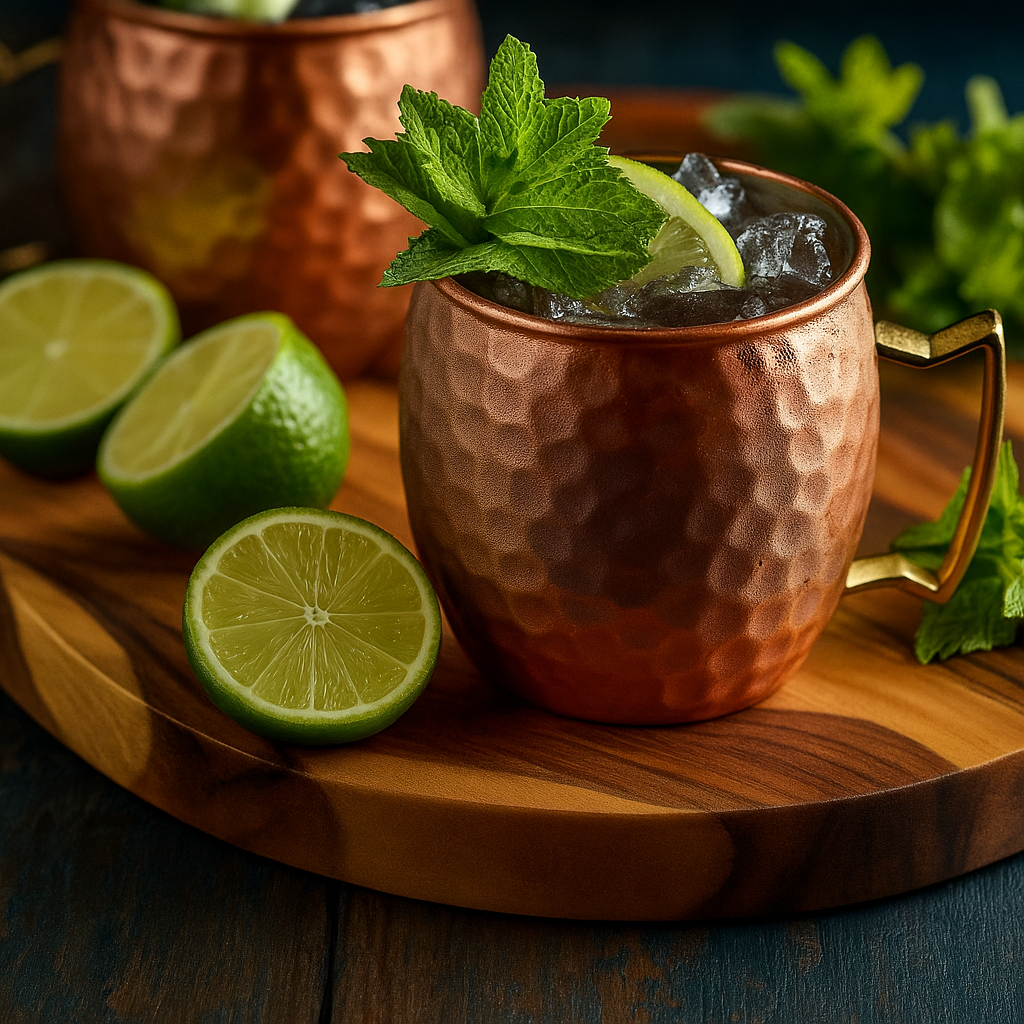
What works well: Old Fashioneds, margaritas, spritzes, Moscow Mules, daiquiris, gin and tonics with premium tonic. Simple builds, clear flavor profiles, easy to scale.
What creates problems: Drinks requiring egg whites, fresh muddled herbs, layered shots, anything served in a coconut shell, cocktails with more than five ingredients.
Always offer non-alcoholic options beyond just soda and water. A well-made mocktail (sparkling water with fresh fruit and herbs, or a pre-batched non-alcoholic punch) shows you’re thinking about all your guests, not just the drinkers.
Cocktail hour food serves one purpose: keep guests satisfied without ruining dinner appetites. This is strategic snacking, not a meal.
The format is finger foods only. Guests are standing, holding drinks, and trying to socialize. Anything requiring a fork and knife is a mistake. Anything that drips, crumbles, or requires two hands is also a mistake.
Passed hors d’oeuvres are the classic move. Servers circulate with trays of bite-sized items. Plan for 5 to 6 different varieties and roughly 2 to 3 bites per guest over the hour. That’s enough to keep people happy and absorb the alcohol they’re consuming, but not enough to make them too full for dinner.
Stationary displays work well as supplements. Charcuterie boards, cheese platters, crudité with dips, or a Mediterranean mezze spread give guests something to graze on between passed items. They also look impressive and photograph well.
Food stations (mini tacos, sliders, sushi, bruschetta bars) have become trendy, but they create bottlenecks. If you’re doing stations, make sure there are multiple setups spread throughout the space so lines don’t form.
Avoid common mistakes: Don’t serve anything with strong garlic or onion right before dinner. Skip foods that stain (beets, red sauces) since people are wearing nice clothes. And always, always have vegetarian, vegan, and gluten-free options clearly available. Your guests with dietary restrictions will remember if you forgot them.
Short answer: no, but it’s highly recommended.
Cocktail hour isn’t legally required or written into wedding tradition. Plenty of weddings skip it. But most couples who skip it either regret the decision or had specific circumstances that made it unnecessary.
When it makes sense to have one: Any wedding where there’s a significant gap between ceremony and reception. Any wedding where the couple needs time for photos without guests waiting at empty tables. Any wedding where you want to create a relaxed, social atmosphere before the structured formality of dinner and toasts.
When you can skip it: Very small weddings (under 30 guests) where everyone already knows each other and the couple can take photos quickly. Destination weddings at all-inclusive resorts where multiple bars are already available and guests can entertain themselves. Weddings where the ceremony flows directly into a seated dinner with no photo break needed.
The compromise option: A shorter 30 to 45-minute cocktail break instead of a full hour. Guests get time to stretch, grab a drink, and chat, but you’re not committing to the full production. This works especially well for smaller weddings or budget-conscious couples.
The real question isn’t “Do we need cocktail hour?” It’s “What happens if we don’t have one?” If the answer is guests sitting around bored or the couple feeling rushed through photos, then yes, you need it.
Understaffing the bar. One bar per 75 to 100 guests is the industry standard. Go below that ratio and you’re creating 15-minute wait times, frustrated guests, and overwhelmed bartenders. If your venue only allows one bar for 150 people, supplement with tray-passed drinks so people aren’t all queuing at once.
No seating anywhere. Not everyone can stand comfortably for an hour, especially in formal shoes. Older guests, pregnant guests, and anyone with mobility issues will appreciate cocktail tables or lounge furniture scattered throughout the space. You don’t need seats for everyone, but zero seating is inconsiderate.
Hiring inexperienced bartenders. Cocktail hour is high-volume, high-pressure service. You need bartenders who can work fast, handle multiple orders simultaneously, and stay calm when the bar is three-deep. Your cousin who makes great margaritas at home is not the same as a professional who’s worked 200-person events. Pay for experience here.
Over-complicating the drink menu. Three great cocktails beat seven mediocre ones. Your signature drinks should be delicious and efficiently made, not Instagram props that take five minutes per order. Same philosophy applies to food: fewer items done well always beats a sprawling menu executed poorly.
Ignoring dietary restrictions. If you don’t have clearly labeled vegetarian, vegan, gluten-free, and non-alcoholic options, you’re telling a portion of your guests they don’t matter. This isn’t hard to fix and it makes a huge difference.
Forgetting about flow and space. If your cocktail hour is in a narrow hallway or cramped room, people will feel trapped. Outdoor spaces work beautifully when weather permits. Indoor spaces need enough room for people to move comfortably without constantly bumping into each other or blocking the bar.
Music sets the tone more than anything else. Cocktail hour needs background music that encourages conversation, not drowns it out. Live acoustic guitar, a jazz trio, or a string quartet work beautifully. If you’re using a DJ or playlist, keep the volume low and the energy mellow. Save the dance music for the reception.
Lighting and ambiance matter. Natural light is ideal. If you’re indoors or it’s an evening wedding, soft lighting (string lights, candles, uplighting) creates warmth without feeling too formal. Harsh overhead fluorescents kill the mood instantly.
Outdoor spaces are cocktail hour gold when the weather cooperates. Gardens, patios, courtyards, and terraces give guests room to spread out and create a relaxed, open atmosphere. Just have a backup plan if it rains.
Optional extras like lawn games (cornhole, giant Jenga), photo booths, or a custom cocktail display wall add personality but aren’t essential. Use them if they fit your style, but don’t feel pressured to turn cocktail hour into a carnival. Sometimes simple is better.
The goal is creating a space where people feel comfortable, drinks are flowing smoothly, and conversations happen naturally. Everything else is decoration.
Cocktail hour bridges the ceremony’s formality and the reception’s celebration. It’s where guests transition from witnessing your wedding to actively partying at it. Done right, it’s the moment when everyone relaxes, drinks start flowing, and the evening’s energy begins building.
Focus on quality over complexity. Serve drinks that taste good and can be made efficiently. Offer food that’s easy to eat and actually satisfying. Hire bartenders who know what they’re doing. Give guests enough space to move and enough seating for those who need it. Everything else is just details.
The best cocktail hours feel effortless because someone thought through the logistics. Guests don’t notice the planning. They just notice they’re having a good time.