
Get Fresh Cocktail Recipes in Your Inbox
Join our newsletter and receive exclusive cocktail recipes, tips & mixology secrets every week.
No spam, just good taste. Unsubscribe anytime.
 ByJames
A craft cocktail isn’t just an expensive drink with a fancy garnish. It’s a deliberate approach to mixing that prioritizes quality ingredients, precise technique, and creative execution. The term gets thrown around a lot, but knowing what actually separates craft from standard helps you spot the real thing and decide when it’s worth the extra few dollars.
A craft cocktail is a mixed drink made with high-quality spirits, fresh ingredients (juices, herbs, syrups), and intentional technique. It often reinterprets a classic recipe or builds something new from scratch. The bartender respects both the ingredients and the drinker enough to take their time and do it right.
The term likely borrowed from the craft beer movement and gained serious traction in the early 2000s during what’s known as the cocktail renaissance. Bartenders like Dale DeGroff started reviving forgotten recipes and techniques, and by 2003, events like Tales of the Cocktail were cementing this shift in bar culture. But the history matters less than what’s actually in your glass.
Three things separate a craft cocktail from a standard mixed drink: ingredients, technique, and creativity. Miss one, and you’re just paying extra for average execution.
This is non-negotiable. Freshly squeezed citrus beats bottled juice every time. House-made syrups (infused with herbs, spices, or fruit) replace the generic stuff. Premium or small-batch spirits take center stage instead of well liquor.
Fresh herbs matter too. Muddled mint, basil, or thyme bring aromatic complexity you can’t fake. Some bartenders go further with smoked rosemary, homemade bitters, or unusual ingredients like black lime or tea-infused spirits. The difference is immediate and tangible.
Ingredients alone don’t make a craft cocktail. You need someone who knows what they’re doing. Proper shaking, stirring, and muddling aren’t interchangeable. A stirred Manhattan and a shaken one taste completely different because dilution and aeration change the drink’s texture and flavor.
Ice matters more than most people realize. Large, clear ice cubes melt slower and keep drinks colder without over-diluting them. The bartender’s understanding of balance (sweet, sour, bitter, boozy) is what separates a good drink from a forgettable one. Not every bartender can execute this consistently.
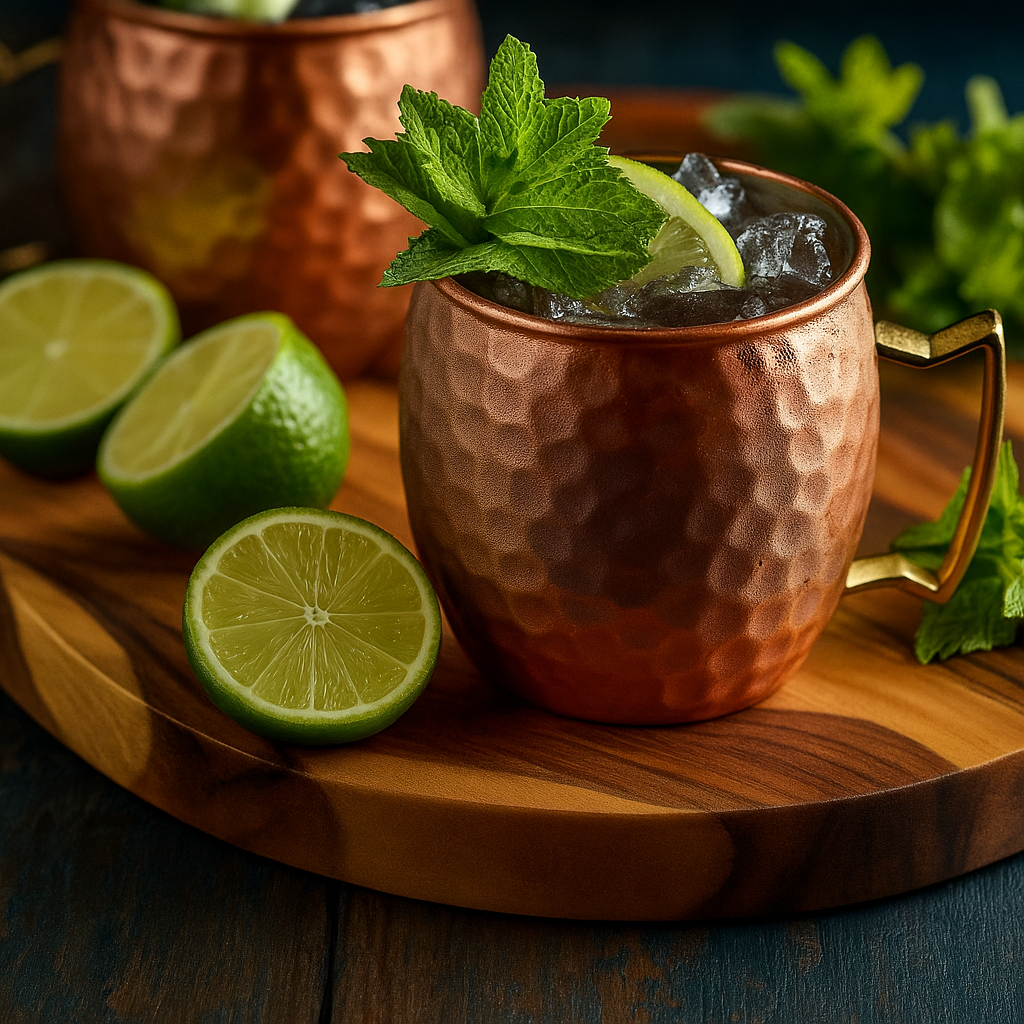
Craft cocktails often twist a classic or invent something entirely new. A Negroni becomes a Barrel-Aged Negroni. A Moscow Mule swaps vodka for bourbon. The creativity should be purposeful, not random.
Presentation counts too. The right glassware, a thoughtfully chosen garnish, and visual appeal all contribute to the experience. It’s not just about taste but engaging your senses before you even take the first sip.
Here’s where people get confused. A classic cocktail (Old Fashioned, Manhattan, Daiquiri) is a time-tested recipe that’s been around for decades or even a century. A craft cocktail might be a classic executed with top-tier ingredients and technique, or it might be an entirely new creation.
Not all craft cocktails are classics, and not all classics are made craft-style. You can order a sloppy Daiquiri made with artificial lime and cheap rum, or you can get a craft Daiquiri with fresh lime juice, quality aged rum, and hand-cracked ice. Same recipe. Completely different drink.
Here’s a concrete example: A margarita made with bottled lime juice and well tequila is a standard drink. One made with fresh lime, high-end reposado, house-made agave syrup, and a salt rim using smoked sea salt? That’s craft. The base recipe is identical, but the execution transforms it.
Let’s be transparent. Fresh ingredients are pricier. Organic limes, seasonal herbs, and artisanal syrups cost more than premade mixes. Preparation takes time. Someone has to juice those limes, infuse that syrup, and stir your Manhattan for exactly the right amount of time to achieve proper dilution.
Skilled bartenders command higher wages. Better spirits cost more. The drinker is paying for labor, quality, and expertise, not just markup. A $16 craft cocktail reflects what went into making it.
That said, not every expensive drink is craft. Some places charge a premium for mediocre execution dressed up with a fancy name. Look for the signs: fresh garnish, intentional presentation, a bartender who can explain their choices. If the drink arrives watered down with wilted mint and a vague flavor profile, you’re being overcharged.
Direct answer: it depends on what you value. If you care about flavor depth, balance, and the drinking experience, yes. If you just want a buzz or a simple mixer to sip quickly, probably not.
Craft cocktails shine when you’re exploring flavors, celebrating something, or treating yourself to a thoughtful drink. They’re less suited for casual, high-volume drinking. You wouldn’t order six craft Old Fashioneds in two hours. That’s not the point.
How to spot a legitimate craft cocktail bar: the menu changes seasonally to reflect ingredient availability. Bartenders can explain their choices without sounding pretentious. Ingredients are listed in detail rather than vague descriptions like “house special mix.” Drinks arrive thoughtfully garnished and properly chilled, not rushed out in thirty seconds.
If a bar checks these boxes, you’re likely getting what you’re paying for.
Yes, but it requires effort and some investment. You need quality spirits (not necessarily top-shelf, but avoid bottom-shelf), fresh ingredients, and proper tools. At minimum, get a shaker, jigger, strainer, and muddler. A good bar spoon helps too.
Start simple. Make a classic well: an Old Fashioned, Daiquiri, or Negroni with fresh ingredients and proper technique. Master the fundamentals before experimenting with twists. Once you can nail a balanced Whiskey Sour with fresh lemon juice and egg white, you’re ready to start playing.
Making your own syrups, infusions, or bitters elevates your home game significantly and isn’t as hard as it sounds. Simple syrup infused with rosemary or ginger takes fifteen minutes and transforms a basic cocktail into something memorable. Homemade bitters require patience but last for months and give you complete control over flavor.
The key is approaching it like cooking. Respect your ingredients. Measure carefully. Taste as you go. Adjust. Quality beats complexity every time.
Understanding what makes a cocktail “craft” helps you order smarter, appreciate quality when you taste it, and avoid overpaying for mediocre drinks dressed up with a fancy name. Whether you’re at a bar or mixing at home, the principles stay the same: fresh ingredients, solid technique, and a little creativity go a long way.