
Get Fresh Cocktail Recipes in Your Inbox
Join our newsletter and receive exclusive cocktail recipes, tips & mixology secrets every week.
No spam, just good taste. Unsubscribe anytime.
 ByJames
A cocktail smoker adds a smoky layer to your drinks that you can’t get any other way. The technique is simple, but getting it right means understanding a few key moves. Smoke too little and you’ve wasted good wood chips. Smoke too long and you’ll overpower a perfectly balanced cocktail. Here’s how to actually use one without guessing.
Before you start, make sure you have everything within reach. A cocktail smoker setup requires four essential pieces:
The smoker itself. You’ll use either a handheld top that sits directly on your glass or a smoke gun with a flexible hose. Both work, they just deliver smoke differently.
Wood chips or smoking medium. These come in different flavors and you’ll need just a pinch per drink. We’ll cover which ones to use later.
A butane torch. This is non-negotiable. Regular lighters don’t generate enough heat or force to ignite wood chips properly. You need a culinary torch, the kind used for crème brûlée.
Your prepared cocktail. Mix it first, pour it in the glass you’ll serve it in, then smoke it. Never smoke an empty glass and add the drink after.
Mix your drink completely before you touch the smoker. Pour it into your serving glass but leave about an inch of space at the top. That room lets the smoke circulate without spilling over when you place the smoker on top.
If you’re making an Old Fashioned or anything served over ice, add the ice now. The smoke will cling to the ice surface and infuse better.
Take a small pinch of wood chips and place them in the smoking chamber. A pinch means the amount you can grab between your thumb and two fingers. You’re aiming for enough to smolder and produce smoke, not create a bonfire.
More chips don’t mean more flavor. They mean more smoke, which becomes acrid and bitter if you overdo it. Start small. You can always smoke it again if you want more intensity.
For a handheld top smoker, place it directly on the rim of your glass. Make sure it sits flush so smoke doesn’t escape. The bottom of the smoker should be at least one inch above your liquid. If it’s too close, the heat can warm your drink or, worse, the liquid can splash up into the chamber.
For a smoke gun, insert the flexible hose into the glass at an angle, keeping the end of the hose above the liquid line. You can cover the glass with a coaster or small plate to trap the smoke once it starts flowing.
Hold your torch about two inches above the wood chips and aim straight down. Ignite the torch pointing away from the smoker first, then move it into position. You’re not trying to set the chips on fire. You want them to smolder.
Apply the flame for about 5 to 10 seconds until you see thin wisps of smoke rising. The chips should glow slightly and release a steady stream of smoke, not burst into flames. If they catch fire, you’re too close or holding the torch too long.
For smoke guns, the device will pull air through the chamber once you turn it on, which forces the smoke down the hose and into your glass.
Once smoke fills the glass, cover it (if using a handheld top, it’s already covered) and let it sit. Timing depends on how smoky you want the drink:
30 seconds gives you a subtle hint of smoke. Good for delicate cocktails or if you’re just testing a new wood type.
60 to 90 seconds is the sweet spot for most drinks. You’ll get balanced smoke that complements the other flavors without dominating.
2 minutes or more delivers intense smokiness. Only go this long with big, bold cocktails that can handle it, like a peated whisky Old Fashioned or a mezcal-based drink.
Spirit strength matters here too. High-proof bourbon or rye can take more smoke than a light gin cocktail. Wood type plays a role as well. Hickory is aggressive, apple is mild.
Remove the smoker and serve the drink right away. Smoke dissipates quickly, and the visual effect (that swirl of smoke in the glass) only lasts about 30 seconds. If you wait too long, you lose the aroma and the theatrics.
Take a moment to smell the drink before your first sip. Half the experience is the smoky aroma hitting your nose as you raise the glass.
Different woods create different flavors. Match the wood to your drink the same way you’d pair food with wine.
Apple wood is the lightest option. It adds a subtle, slightly sweet smoke that works with fruity cocktails, martinis, and anything gin-based. If you’re new to smoking drinks, start here.
Cherry wood brings a bit more punch than apple but stays on the versatile side. It pairs well with bourbon, rye, and citrus-forward cocktails. You’ll get a noticeable smoke flavor without overpowering the drink.
Hickory is bold and intense. Use it sparingly and only with cocktails that have a strong flavor profile. Think dark spirits, rich syrups, or anything with amaro. Hickory can easily dominate lighter drinks.
Oak or bourbon barrel chips are perfect for whiskey cocktails. They add a familiar, woody smoke that feels like a natural extension of the barrel aging process. Old Fashioneds and Manhattans shine with oak smoke.
Herbs and spices like rosemary, thyme, or cinnamon work differently than wood. Rosemary adds an herbaceous, almost savory note that’s excellent in Negronis or any drink with botanical gin. Cinnamon brings warmth and spice, ideal for fall cocktails or anything with apple cider. Thyme is earthy and pairs with citrus or savory ingredients.
Using too many wood chips. More isn’t better. A small pinch is enough. Overloading the chamber creates thick, harsh smoke that tastes like an ashtray.
Not leaving space in the glass. If your drink is filled to the brim, the smoker won’t sit properly and smoke will escape. Always leave that inch of clearance.
Over-torching the chips. You want smoldering embers, not flames. Burning the chips produces acrid smoke that ruins the drink. A few seconds of torch time is all you need.
Letting smoke sit too long. After 2 minutes, you’re not adding complexity, you’re just making the drink taste like smoke and nothing else. Know when to stop.
Using a regular lighter. It won’t work. The flame isn’t hot enough to ignite wood chips consistently, and you don’t get the airflow needed to push smoke into the glass. Invest in a torch.
Not every cocktail benefits from smoke. The technique works best with drinks that have enough body and flavor to support that extra layer.
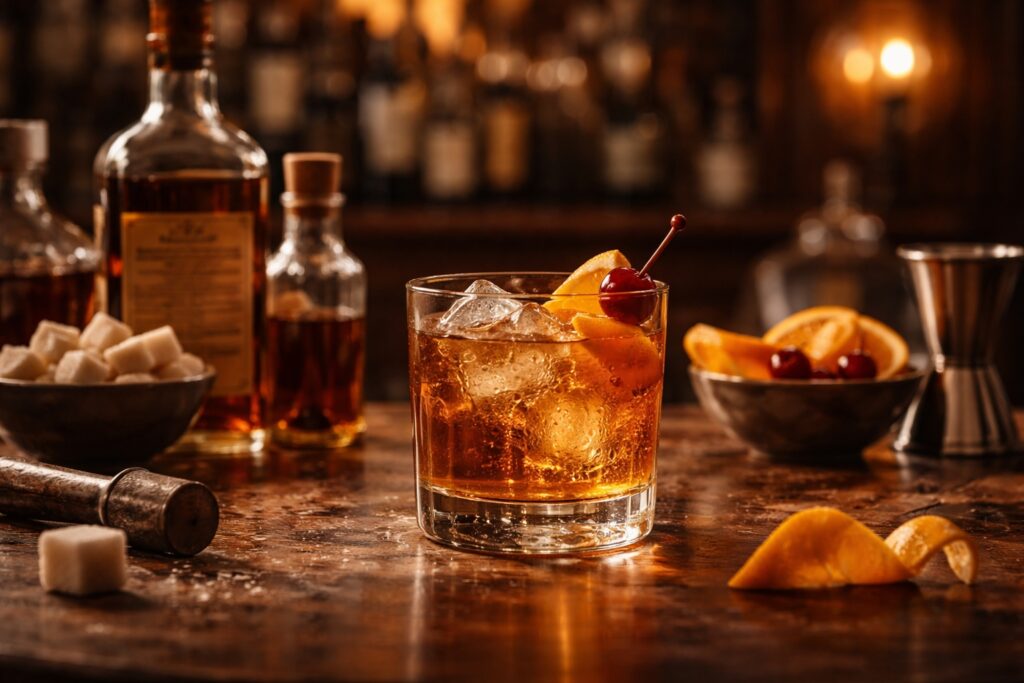
Old Fashioned. This is the classic smoked cocktail for a reason. The whiskey, bitters, and sugar create a rich base that smoke enhances beautifully. Use bourbon barrel or cherry wood.
Whiskey Sour. The smoke adds depth to the citrus and mellows the sharpness of the lemon. Oak or apple wood both work well here.
Manhattan. Sweet vermouth and whiskey pair naturally with smoke. Try oak or hickory for a bolder version.
Mezcal Negroni. Mezcal already has a smoky quality, so adding wood smoke creates layers of complexity. Use a lighter wood like apple so you don’t overdo it.
Light, delicate cocktails like Daiquiris or Gimlets usually don’t hold up to smoke. The smoke overpowers the balance. Stick with spirit-forward or bold-flavored drinks.
If you’re deciding which type of smoker to buy, or you already own one and want to know if it’s the right tool, here’s the breakdown.
Handheld tops sit directly on the glass. They’re simple, compact, and require no batteries or moving parts. You load chips, torch them, and let gravity do the work as smoke drifts down into the drink. They’re ideal for smoking one drink at a time and they take up almost no space in your bar setup.
The downside is control. You get less precision over how much smoke enters the glass, and if the top doesn’t fit your glassware well, smoke escapes.
Smoke guns use a battery-powered fan to push smoke through a hose into the glass. You have more control over smoke volume and intensity, and they work with any glass size or shape since the hose is flexible. Some models let you smoke food as well, which adds versatility.
The tradeoff is complexity. Smoke guns have more parts to clean, batteries to charge, and they take up more storage space. They’re also slightly more expensive.
Both deliver great results. Choose based on how often you’ll use it and whether you value simplicity or control.