
Get Fresh Cocktail Recipes in Your Inbox
Join our newsletter and receive exclusive cocktail recipes, tips & mixology secrets every week.
No spam, just good taste. Unsubscribe anytime.
 ByJames
A muddler isn’t just for mojitos and old fashioneds. Non-alcoholic drinks need proper muddling just as much as cocktails do, maybe even more. Without alcohol to dissolve and carry essential oils and aromas, the way you muddle fresh ingredients in mocktails, infused waters, and alcohol-free spritzers directly impacts the depth and complexity of flavor. Master the technique, and you’ll transform simple ingredients into drinks worth savoring.
Muddling breaks down the cell walls of fresh ingredients to release essential oils, natural juices, and aromatic compounds. Think of it as controlled crushing that extracts flavor without destroying texture.
In alcoholic drinks, spirits act as a solvent that helps carry and blend these released flavors throughout the glass. In non-alcoholic drinks, you don’t have that advantage. The oils from mint leaves, the citrus essence from lime peels, and the juice from fresh berries need to be released properly and then mixed with your base liquid, whether that’s sparkling water, tonic, or juice.
That’s why proper muddling technique matters even more in mocktails. Under-muddle and your drink tastes flat and watery. Over-muddle and you get bitter, vegetal flavors that ruin the balance.
Hold the muddler like you’d grip a pestle. Place your palm flat on top of the handle, with your fingers wrapped along the sides for control and stability. This grip gives you the right amount of pressure without letting the tool slip.
Place your ingredients in the bottom of a sturdy glass or the base of a cocktail shaker. Never muddle in stemmed glassware or thin-walled glasses, they can crack under pressure.
The fundamental motion is simple but deliberate. Press the muddler down gently against your ingredients, then give it a quarter turn to one side. Rotate back to center, then turn a quarter in the opposite direction. That’s one complete cycle.
Repeat this press-and-twist motion 4 to 6 times for most ingredients. You’re bruising and breaking down, not pulverizing into paste. The twisting motion helps distribute pressure evenly and prevents you from destroying delicate items like herb leaves.
Keep your movements controlled. Sharp, aggressive pounding doesn’t extract more flavor, it just creates bitterness and mess.
Your nose is the best indicator. Once you clearly smell the ingredient you’re muddling, you’ve released enough of its essential oils and compounds. For mint, that bright, cool aroma should be obvious. For citrus, the zesty, sharp scent tells you the oils are out.
Stop before you see leaves turning dark or fruits becoming completely liquefied. You want texture and structure, not pulp.
Herbs are the trickiest ingredients to muddle because they’re fragile. Use gentle pressure only. A few light presses are enough to release the aromatic oils trapped in the leaves.
Take mint for example. In a virgin mojito, place 8 to 10 fresh mint leaves in your glass. Press down lightly with the muddler and give it 2 or 3 gentle twists. That’s it. You should smell the mint immediately.
The goal is to bruise the leaves and release their oils, not tear them apart. If you muddle too hard or too long, you’ll break through to the bitter compounds in the veins and stems. That’s what creates the unpleasant, grassy bitterness in poorly made mojito mocktails.
Basil and thyme follow the same principle. Light touch, minimal repetitions, stop as soon as you smell them.
Citrus can handle significantly more pressure than herbs. The thick peel and firm flesh need a firmer hand to release their juice and the fragrant oils locked in the zest.
Cut your citrus into wedges rather than thin slices. Wedges give you more surface area and structural integrity. Drop 2 or 3 lime wedges into your glass, add a bit of sugar or simple syrup if your recipe calls for it, and press down firmly. You’ll feel the fruit give way and release its juice.
The twisting motion here is important because it helps extract oils from the peel. Those oils add depth and aromatic complexity that straight lime juice alone doesn’t provide.
For a classic alcohol-free mojito, muddle lime wedges first with sugar, then add your mint leaves and give them the gentle treatment separately. This layered approach prevents the lime’s acidity from discoloring the mint while you work.
Strawberries, raspberries, and blueberries sit in the middle of the pressure spectrum. They’re not as delicate as herbs, but they’re softer than citrus.
Use medium pressure and 4 to 5 press-and-twist cycles. You want to break down the berries enough to release their juices and create color, but you don’t want to reduce them to complete mush. Some texture is good, it adds visual interest and a bit of body to your drink.
For a strawberry basil mocktail, hull and quarter 2 or 3 fresh strawberries, muddle them first until they’re broken down but still recognizable, then add your basil leaves and give them their gentle treatment.
Cucumber and melon have high water content, so they need slightly firmer pressure to break through the flesh and release their mild, refreshing flavors.
Slice cucumber into rounds about a quarter-inch thick. Four or five slices are usually enough for one drink. Press firmly and twist, working through 5 or 6 repetitions. You’ll see the cucumber break down and release its water. That liquid carries the clean, cooling flavor that makes cucumber such a great base for spa-style mocktails.
The same technique works for melon, though watermelon breaks down faster due to its softer texture.
Over-muddling herbs is the number one error in non-alcoholic drinks. Those bitter, vegetal flavors come from destroyed chlorophyll and torn cell structure. When in doubt with mint, basil, or any leafy herb, do less. You can always muddle more, you can’t undo bitterness.
Using the wrong end of the muddler happens more often than you’d think. The flat base is designed for pressing. If your muddler has a toothed or grooved end, save that for citrus and firm fruits. Never use it on delicate herbs.
Muddling in stemmed or fragile glassware is asking for trouble. The pressure required for proper muddling can crack thin glass. Use a sturdy rocks glass, a collins glass, or work directly in your cocktail shaker.
Adding ice before muddling creates two problems. First, the ice gets in the way and prevents proper contact between muddler and ingredients. Second, it starts diluting your drink before you’ve even extracted the flavors. Always muddle first, then add ice.
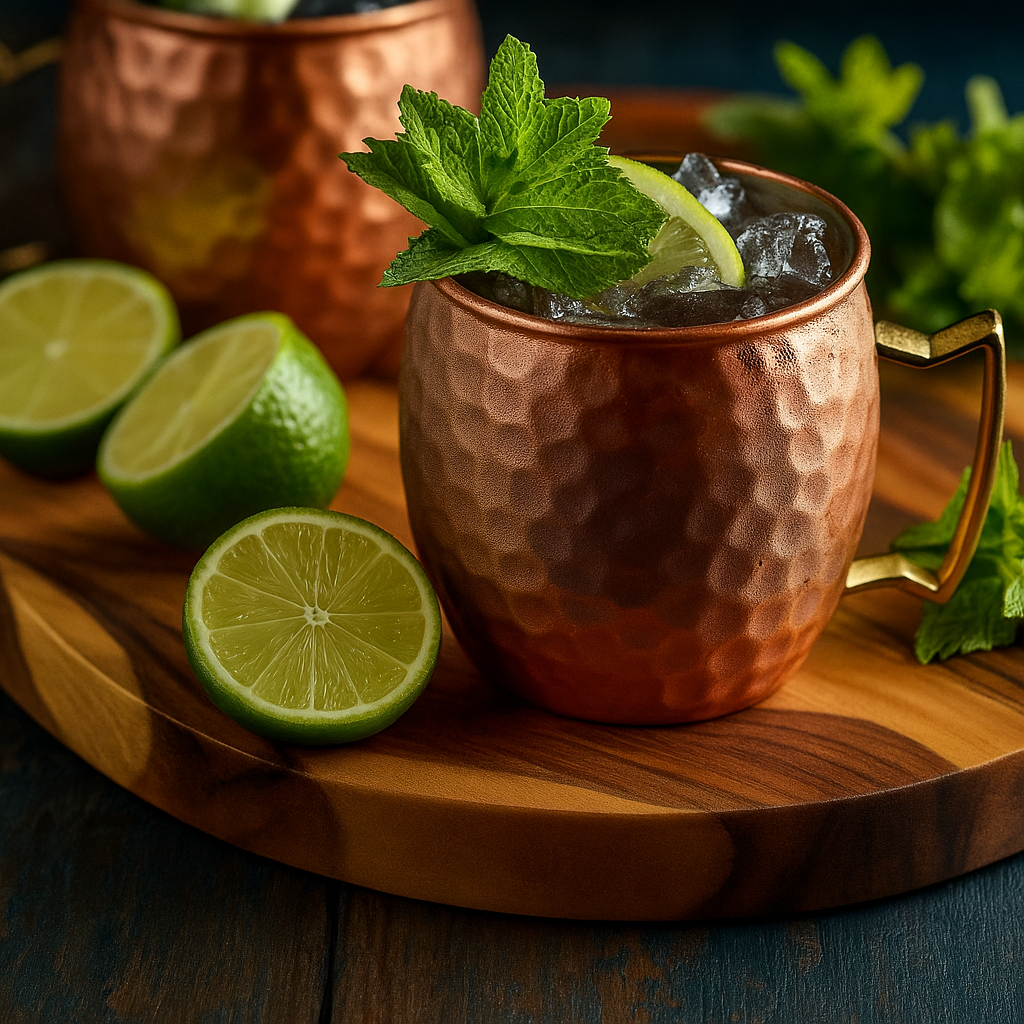
In a sturdy glass, place 2 lime wedges and 1 teaspoon of white sugar. Muddle firmly for 5 to 6 presses to release lime juice and oils. Add 8 to 10 fresh mint leaves. Muddle very gently, just 2 or 3 light presses. Fill glass with crushed ice, add 2 ounces of club soda, and stir gently. Top with more soda if needed. Garnish with a mint sprig.
This drink teaches you the difference between firm pressure for citrus and gentle pressure for herbs in one simple recipe.
Hull and quarter 3 fresh strawberries and place them in your glass with 4 fresh basil leaves. Muddle the strawberries first with medium pressure, 4 or 5 cycles, until they’re broken down but chunky. Add the basil leaves and give them 2 gentle presses. Add ice, pour in 3 ounces of sparkling water and half an ounce of fresh lemon juice. Stir and serve.
This one trains you to layer your muddling and work with different textures in the same drink.
Slice 4 to 5 rounds of fresh cucumber and place them in your glass with 6 mint leaves and half a lime cut into wedges. Muddle the cucumber and lime together with firm pressure, 5 or 6 cycles. Add the mint leaves last and press gently 2 or 3 times. Fill with ice, add 4 ounces of tonic water or sparkling water, and stir. Garnish with a cucumber ribbon.
Perfect for practicing how to vary your pressure based on what you’re working with.
A wooden spoon handle works surprisingly well for most muddling tasks. The rounded end gives you decent contact with ingredients, though you’ll have less control than with an actual muddler. Use it the same way: press and twist.
A pestle from a mortar and pestle set is another solid option. The shape is almost identical to a traditional muddler. Just make sure it’s clean and doesn’t carry any residual spice flavors.
A small rolling pin without handles can work for citrus and firmer fruits, but it’s too aggressive for herbs. The broad surface area makes it hard to be gentle.
Avoid using the back of a regular spoon or anything with sharp edges. You need a blunt, flat surface to muddle properly without tearing or shredding your ingredients.
The real investment is minimal. A decent muddler costs less than fifteen dollars and makes proper technique much easier. If you’re serious about making good non-alcoholic drinks at home, it’s worth having the right tool.