
Get Fresh Cocktail Recipes in Your Inbox
Join our newsletter and receive exclusive cocktail recipes, tips & mixology secrets every week.
No spam, just good taste. Unsubscribe anytime.
 ByJames
Cocktail glass sizes vary wildly depending on the type of glass you’re using. A classic coupe holds 5 to 6 ounces, while a highball can push 12 ounces or more. Knowing these capacities isn’t just trivia. It affects proportions, presentation, and how your drink tastes from the first sip to the last. Most home bartenders only need three or four core glasses to cover 90% of cocktails, but understanding what each one holds makes all the difference.
Here’s what you need to know about the most common cocktail glasses and their standard capacities. These aren’t arbitrary numbers. They’re based on decades of bartending tradition and drink balance.
Standard capacity: 5 to 6 oz
The coupe is the elegant workhorse of cocktail glasses. Its shallow, rounded bowl was originally designed for champagne, but it’s now the go-to for stirred classics and spirit-forward drinks served up (no ice). Think Manhattans, daiquiris, and champagne cocktails.
Why this size works: A 5 to 6 oz capacity prevents over-dilution and showcases aromatic drinks without letting them sit too long. The wide surface area releases aromatics while the shallow bowl keeps portions controlled. Larger coupes exist, but they’re less practical for home use.
Standard capacity: 4 to 6 oz (classic); 8 to 10 oz (modern oversized versions)
The iconic V-shaped martini glass is instantly recognizable, but size matters here more than you’d think. Classic martini glasses hold 4 to 6 ounces, which is the sweet spot for a proper martini or cosmopolitan. Modern versions have ballooned to 8, 10, even 12 ounces, which creates problems.
Why smaller is better: A 4 to 6 oz glass means you finish your drink before it warms up in your hand. Martinis are meant to be cold, and the long stem keeps your palm away from the liquid. Oversized martini glasses look dramatic, but your drink will be lukewarm halfway through.
Standard capacity: 6 to 8 oz (single); 10 to 12 oz (double)
The rocks glass, also called an old fashioned glass or lowball glass, is short, wide, and sturdy. It’s built for drinks served on the rocks or neat. A single rocks glass holds 6 to 8 ounces, while a double rocks glass (sometimes called a double old fashioned) holds 10 to 12 ounces.
Why this size works: The wide base gives you room to muddle ingredients (essential for an Old Fashioned) and fits a large ice cube or sphere comfortably. The thick bottom feels substantial in your hand. Use a single for Negronis or whiskey on the rocks. Use a double for White Russians or Mai Tais that need more ice and mixer.
Standard capacity: 8 to 12 oz
The highball is your tall, straight-sided workhorse for mixed drinks with lots of ice and carbonation. It’s designed for drinks like gin & tonics, mojitos, whiskey highballs, and Bloody Marys. Most highballs clock in around 10 to 12 ounces, though some smaller versions hold 8 ounces.
Why this size works: The tall, narrow shape keeps drinks cold longer by reducing surface area exposed to air. It also preserves carbonation better than a wide glass. There’s enough room for plenty of ice, mixer, and spirit without looking overfilled.
Standard capacity: 10 to 14 oz
The Collins glass looks like a taller, slightly narrower version of a highball. It was designed specifically for the Tom Collins cocktail but works beautifully for any long, refreshing drink with multiple mixers. Most Collins glasses hold 12 to 14 ounces.
Why this size works: The extra height gives you space for layered drinks, elaborate garnishes, and drinks that need more mixer. If you’re making a mojito with tons of mint and lime, a Collins glass is ideal. The narrow diameter also helps with carbonation retention.
Standard capacity: 5 to 6 oz
The Nick & Nora is a smaller, rounder cousin of the coupe and martini glass. It has a tulip-like bowl and a delicate stem. Capacity is usually 5 to 6 ounces, making it perfect for lighter, stirred cocktails that benefit from less air exposure.
Why this size works: The smaller bowl means less surface area, which keeps drinks colder longer and preserves delicate flavors. It’s also easier to hold without warming the drink. Bartenders love it for classics like Manhattans, Aviations, and any cocktail where you want elegance without excess.
Using the right size glass isn’t about being fussy. It’s about making your drink taste the way it’s supposed to.
Proportion control is the first reason. Most cocktail recipes are written with a specific glass size in mind. A 3 ounce martini in a 10 ounce glass looks ridiculous and unbalanced. The drink should fill the glass to about three-quarters full for proper presentation.
Temperature is the second factor. Spirit-forward cocktails like martinis and Manhattans are meant to be ice-cold. A smaller glass (4 to 6 oz) means you finish the drink before it warms up in your hand. Oversized martini glasses defeat the purpose. Your drink will be room temperature before you’re halfway through.
Dilution matters too. Larger glasses with more ice lead to faster dilution, which is great for drinks like mojitos and highballs that need it. But for a Negroni or Old Fashioned, you want controlled dilution. A properly sized rocks glass with one large ice cube gives you exactly that.
Presentation is the final piece. A well-proportioned drink looks intentional and balanced. A tiny pour in a massive glass looks like a mistake. The right glass makes your cocktail look as good as it tastes.
If you’re building a home bar from scratch, you don’t need a dozen different glass types. Start with these three categories and you’ll cover 90% of cocktails.
For stirred and shaken drinks served up, buy 5 to 6 oz coupe glasses or classic martini glasses (not the oversized ones). Coupes are more versatile because they work for everything from daiquiris to champagne cocktails. If you prefer the iconic martini glass look, stick with 4 to 6 oz versions.
For spirit-forward drinks on the rocks, get 8 to 10 oz rocks glasses (single old fashioned size). These handle Negronis, Old Fashioneds, whiskey neat, whiskey on the rocks, and even smaller cocktails like Sazeracs. A double rocks glass (10 to 12 oz) is useful if you make a lot of White Russians or tropical drinks, but it’s not essential.
For tall mixed drinks, buy 10 to 12 oz highball glasses. They’re perfect for gin & tonics, Moscow Mules, whiskey highballs, and rum & cokes. If you make a lot of Tom Collins or mojitos with elaborate garnishes, consider adding a 12 to 14 oz Collins glass, but a highball will work just fine in most cases.
Skip the novelty glasses and oversized versions. A 12 oz martini glass might look impressive, but it’s impractical. Your drink will warm up before you finish it, and you’ll end up with a watered-down mess.
Buying oversized martini glasses is the number one error. Those 10 to 12 oz showpieces might look sleek, but they ruin the drinking experience. Your martini will be lukewarm before you’re halfway through. Stick with 4 to 6 oz glasses for proper temperature control.
Using a highball when you need a Collins (or vice versa) might seem minor, but it affects presentation. A Tom Collins in a short highball looks crowded. A simple gin & tonic in a 14 oz Collins glass looks sparse. Match the glass to the drink’s volume.
Ignoring glass capacity when scaling recipes leads to weak or overly strong drinks. If you’re making cocktails for a group and pouring into larger glasses, adjust your recipe proportions accordingly. A 3 oz cocktail spread across a 10 oz glass won’t taste right.
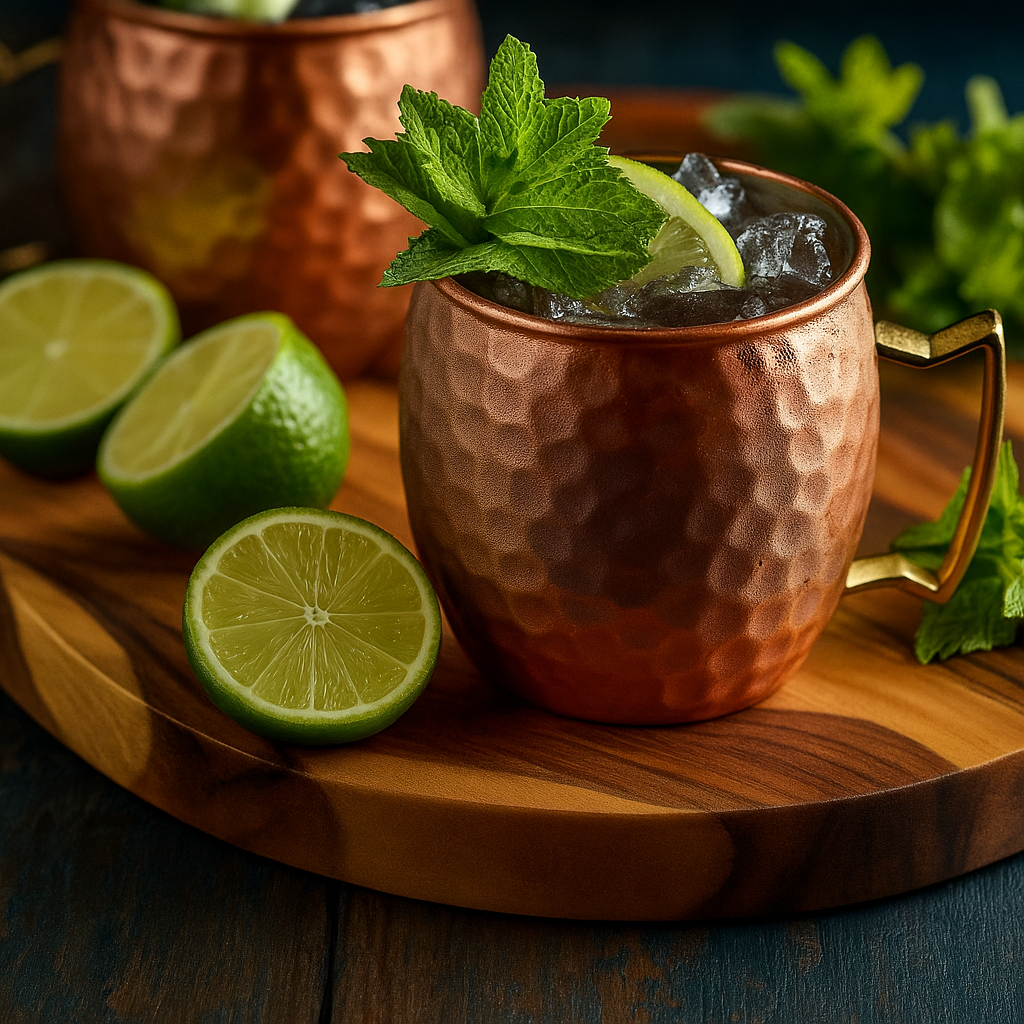
Choosing style over function is tempting, especially with trendy glassware. Copper mugs for Moscow Mules look great on Instagram, but a standard highball works just as well. Focus on getting the core sizes right before branching into specialty glassware. Function first, aesthetics second.