
Get Fresh Cocktail Recipes in Your Inbox
Join our newsletter and receive exclusive cocktail recipes, tips & mixology secrets every week.
No spam, just good taste. Unsubscribe anytime.
 ByJames
No, you should never shake carbonated drinks in a cocktail shaker. The moment you crack open that shaker, you’ll face a foamy explosion and lose most of the fizz you wanted in the first place. Shaking creates pressure that forces carbon dioxide out of solution, turning your cocktail into a mess and your drink into a flat disappointment.
Carbonated beverages contain dissolved carbon dioxide (CO2) held under pressure. In an unopened bottle or can, this gas stays dissolved in the liquid because of the sealed environment. The moment you introduce agitation through shaking, you disrupt this delicate balance.
Shaking creates countless tiny bubbles throughout the liquid. These bubbles act as nucleation sites, giving the dissolved CO2 an easy escape route. Instead of staying in solution where it belongs, the gas rapidly accumulates in larger bubbles. When you open the shaker, all that pressurized gas rushes out at once.
Think of it like shaking a can of Coke. The principle is identical. Shake it hard enough, and opening it becomes a sticky disaster.
The consequences are immediate and messy. First, you get a foamy explosion the moment you remove the lid. The pressurized CO2 forces liquid out of the shaker, often onto your hands, the bar, and sometimes your clothes.
Second, the drink itself goes flat. All that violent agitation releases the carbonation you actually wanted to preserve. What should be a crisp, fizzy cocktail becomes a limp, over-diluted version of itself.
Consider a Tom Collins. If you shake the club soda along with the gin, lemon juice, and simple syrup, you’ll open the shaker to a fountain of flat liquid. The same applies to any Mojito finished with soda water or a Paloma topped with grapefruit soda. The fizz is the point, and shaking kills it.
Professional bartenders follow a simple rule: shake everything except the bubbles. This build and top technique is straightforward and foolproof.
Start by adding all your non-carbonated ingredients to the shaker with ice. Shake vigorously for 10 to 15 seconds until properly chilled and diluted. Strain the mixture into your serving glass over fresh ice. Only then do you add the carbonated ingredient, pouring it gently down the side of the glass.
This method preserves the carbonation exactly where you want it: in the finished drink. The soda stays fizzy, the cocktail stays balanced, and you avoid any unnecessary cleanup.
The Tom Collins is the textbook example. Shake gin, fresh lemon juice, and simple syrup with ice. Strain into a tall glass filled with ice, then top with club soda. The result is bright, fizzy, and perfectly balanced.
A Paloma follows the same logic. Shake tequila, lime juice, and a touch of simple syrup. Strain, then top with grapefruit soda like Jarritos or Squirt. The soda provides the signature fizz and citrus punch.
The French 75 takes it a step further. Shake gin, lemon juice, and simple syrup. Strain into a champagne flute, then top with chilled champagne. The gentle pour preserves those delicate bubbles.
Some drinks skip the shaker entirely. An Aperol Spritz is built directly in the glass: Aperol, prosecco, and a splash of soda water over ice. No shaking required because there’s nothing that needs aggressive mixing.
Mistakes happen. Maybe you didn’t check the recipe carefully, or you forgot that tonic water counts as carbonated. If you’ve already shaken a fizzy ingredient, damage control is possible but imperfect.
Let the shaker sit undisturbed for 30 to 60 seconds. This gives some of the larger bubbles time to settle. When you’re ready, open the lid slowly and carefully. Crack it just enough to release pressure gradually rather than all at once.
Expect some loss of carbonation no matter what. The drink won’t be as fizzy as it should be, but it’s better than a full explosion. Next time, double check your ingredient list before you start shaking.
Club soda and soda water are the most common culprits. They appear in countless highballs and fizzy serves, from Tom Collins to Gin Fizz variations.
Tonic water belongs in the same category. Gin and tonics, vodka tonics, and any tonic-based drink should be built, not shaken.
Champagne and sparkling wine require gentle handling. Whether you’re making a French 75, a Bellini, or a Champagne Cocktail, always add the bubbly last.
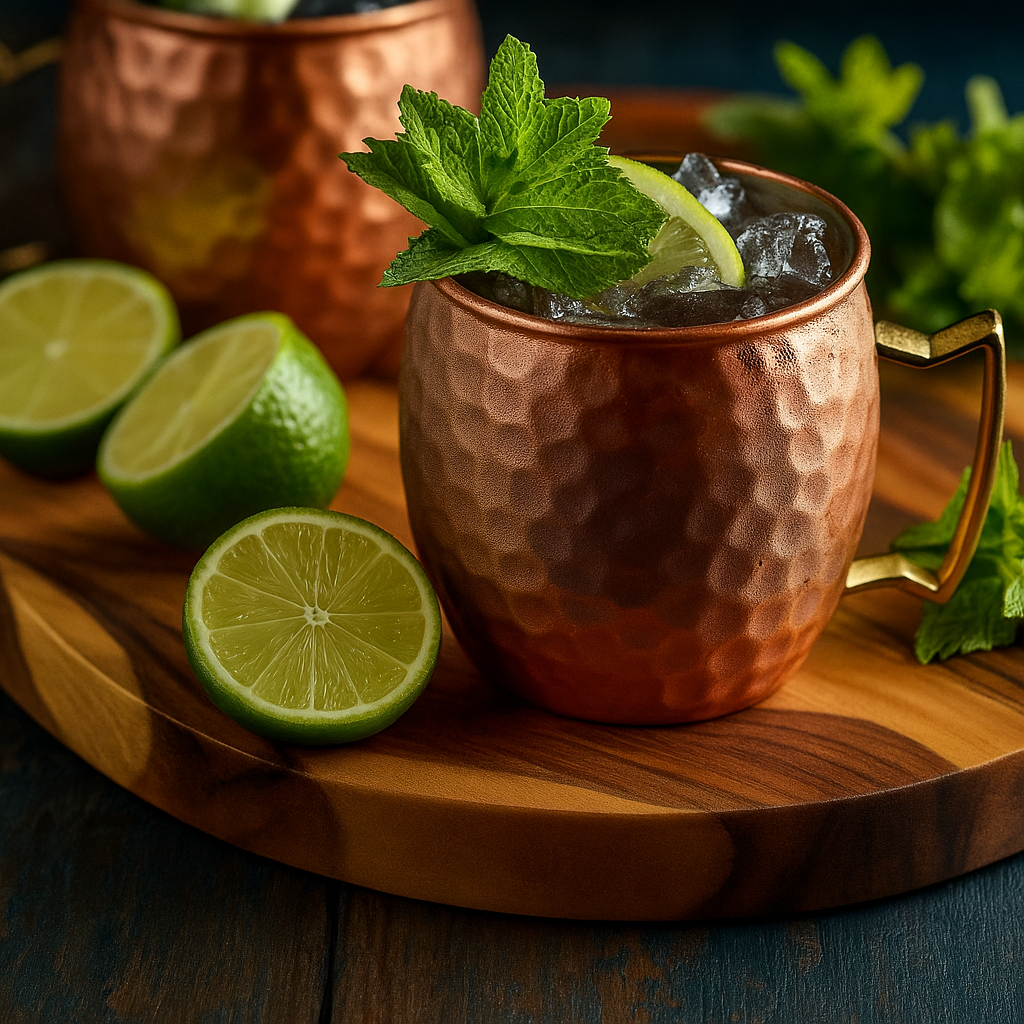
Ginger beer and ginger ale show up in Moscow Mules, Dark and Stormys, and plenty of tiki drinks. Shake your spirit and citrus, then top with the ginger fizz.
Cola and other soft drinks follow the same rule. A Rum and Coke or a Whiskey Ginger gets built in the glass. Same goes for any premixed carbonated mixer you might use.
Specialized tools like the Perlini shaker exist specifically to carbonate cocktails after mixing. These systems use controlled CO2 pressure in purpose-built devices designed to handle the physics safely.
The difference is crucial. These aren’t standard shakers. They’re engineered to introduce carbonation under controlled conditions, not to shake already-carbonated ingredients. The technique involves shaking your cocktail with ice first, then pressurizing it with CO2 in the sealed chamber.
For home bartenders using regular Boston shakers or cobbler shakers, this exception doesn’t apply. Stick to the standard rule: bubbles go in last.
When in doubt, remember this: anything with fizz gets added after shaking, never during. This one simple rule prevents kitchen disasters and keeps your cocktails exactly as they should be: cold, balanced, and properly carbonated.