
Get Fresh Cocktail Recipes in Your Inbox
Join our newsletter and receive exclusive cocktail recipes, tips & mixology secrets every week.
No spam, just good taste. Unsubscribe anytime.
 ByJames
The mojito comes from Cuba. Born in Havana during the 16th century as a medicinal drink, it evolved into the refreshing rum cocktail we know today. The story involves pirates, local ingredients, and centuries of Cuban bar culture that turned a simple tonic into one of the world’s most beloved drinks.
No debate here. The mojito is Cuban, rooted in the island’s geography, climate, and culture. Havana specifically claims the drink as its own, and for good reason.
Cuba had everything the cocktail needed: abundant sugarcane fields producing both rum and raw sugar, wild mint (called yerba buena locally), plenty of limes, and a tropical heat that made cold, refreshing drinks essential rather than optional. These weren’t imported ingredients. They grew there, worked there, and became part of everyday Cuban life.
By the early 20th century, Havana’s bars had refined the mojito into its modern form. The drink became so embedded in Cuban identity that it’s often called the island’s national cocktail, sitting alongside the daiquiri as Cuba’s gift to global mixology.
The mojito’s earliest ancestor dates back to 1586, when English privateer Sir Francis Drake anchored off the Cuban coast. His crew was suffering from dysentery and scurvy, common afflictions on long sea voyages. Local remedies combined aguardiente (a harsh, unaged cane spirit), crushed mint leaves, lime juice, and raw sugar into a medicinal tonic.
The lime juice fought scurvy. The mint and sugar made the firewater drinkable. The result worked well enough that the drink stuck around, eventually named El Draque after Drake himself.
This wasn’t a cocktail in the modern sense. Aguardiente was brutal stuff, closer to moonshine than rum, with alcohol content hitting 60% or higher. But it established the formula: spirit, citrus, mint, sweetener. Over the next few centuries, as Cuban rum production matured and distillation techniques improved, smoother aged rum replaced the harsh aguardiente. The drink softened, became more balanced, and started its transformation into something people drank for pleasure rather than survival.
This origin story holds more water than most cocktail legends because it explains both the ingredients and the timing. Cuba had the resources. Drake’s visit is documented. The medicinal angle makes sense for the era.
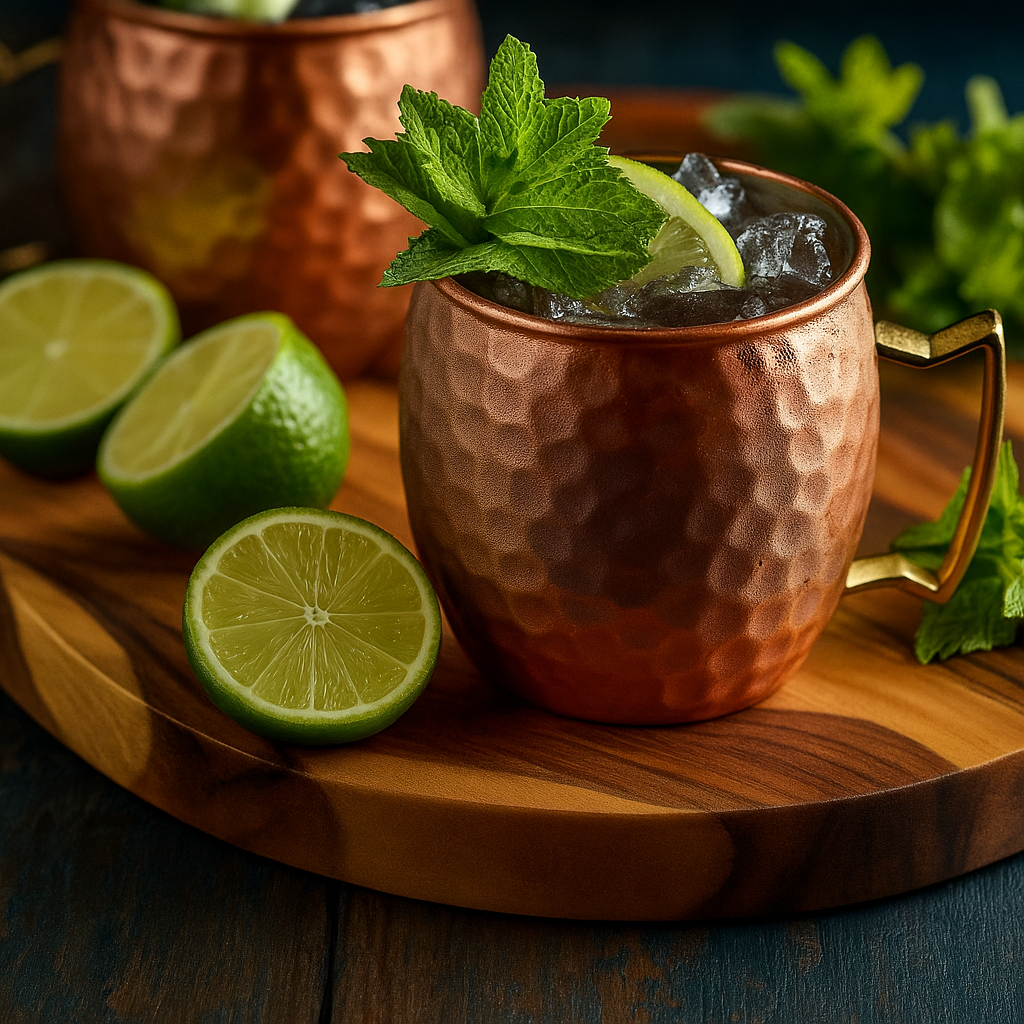
The drink we recognize as a mojito appears in Cuban cocktail books from the late 1920s and early 1930s. The first written recipe shows up around 1929 as “Rum Mojo” or “Mojo Criollo” in Cuban bartending manuals. By 1930, it’s listed as “Mojito” in the Club de Cantinero de la Republica de Cuba’s official manual, complete with the classic specs: rum, lime, sugar, mint, ice, soda water.
Where does the name come from? Three theories exist, all plausible:
Mojo: An African word meaning “to cast a spell” or “magic charm,” brought to Cuba by enslaved West Africans working the sugarcane fields. The drink’s refreshing, almost medicinal qualities could explain why it earned this name.
Mojadito: Spanish for “a little wet,” which describes the drink’s nature perfectly. Pour, stir, sip. Everything stays damp and cool.
Mojar: The Spanish verb meaning “to wet” or “to moisten,” which again fits the liquid reality of what you’re drinking.
All three explanations work. The truth probably blends them together, with different communities and different bars using slightly different names until “mojito” became the standard. What matters is that by the 1930s, Cuban bartenders had locked in both the name and the recipe.
When the United States banned alcohol in 1920, thirsty Americans didn’t stop drinking. They just changed locations. Havana became the party destination for wealthy tourists who could afford the short trip from Florida. Cuban bars welcomed them with open arms and full glasses.
The mojito, already popular locally, became a tourist favorite. It was exotic without being intimidating, refreshing in the Caribbean heat, and showcased Cuban rum at its best. Bars like Sloppy Joe’s printed the recipe on their menus, sometimes offering versions made with gin alongside the traditional rum base.
You’ll hear that Ernest Hemingway loved mojitos at La Bodeguita del Medio, backed by a famous quote: “My mojito in La Bodeguita, my daiquiri in El Floridita.” There’s even a framed note with his signature hanging in the bar.
Here’s the problem: the quote is fake. The bar’s own owner admitted this to journalists in 2012. Hemingway never mentioned the mojito or La Bodeguita in any of his books, letters, or known writings. His actual drink preferences ran toward daiquiris and stronger, less sweet cocktails.
The myth persists because it’s good for tourism and it sounds believable. Hemingway did live in Cuba for decades. He did drink in Havana bars. But linking him specifically to the mojito is marketing, not history.
After the Cuban Revolution in 1959, many Cubans migrated to the United States and elsewhere, bringing their cocktail culture with them. The mojito spread through Latin American communities first, then gradually into mainstream American bars.
The drink got another boost from pop culture. James Bond ordered one in Die Another Day (2002), introducing it to a new generation of drinkers. Bacardi launched aggressive marketing campaigns showing how easy it was to make mojitos at home, pushing the drink beyond professional bars into home mixing.
Today, the mojito appears on cocktail menus worldwide, from London to Tokyo to São Paulo. It’s one of the most ordered drinks globally, especially during summer months.
You can make a mojito anywhere, but Cuban versions carry authenticity that’s hard to replicate elsewhere. The island’s Havana Club rum and other local brands have flavor profiles specifically developed for Cuban cocktails. The sugarcane grows differently there. Even the mint variety (Mentha nemorosa, sometimes called mojito mint) has a distinct character compared to standard spearmint.
Cuban bartenders also approach the drink differently. They typically use fresh lime juice rather than muddled lime wedges, keeping the drink cleaner and less bitter. The mint gets gently pressed, not aggressively muddled, releasing aroma without turning the drink green and grassy. These small technical details, passed down through generations of Cuban bartenders, separate a good mojito from a great one.
The drink remains a point of national pride. Walk into any bar in Havana and order a mojito. You’ll get a version that tastes like it belongs there, made by someone who’s been making them since childhood, using ingredients that grew within a few miles of where you’re sitting.
That’s the answer to where the mojito comes from. Not just Cuba on a map, but Cuba in practice, in culture, in the glass.